
Countersinking and counterboring are two machining techniques used to create recesses for fasteners. Countersinking is used for screws with conical heads, while counterboring creates a flat-bottomed hole for bolts, nuts, or washers. Choosing between the two depends on the type of fastener and application requirements.
Detailed Explanation
What is a Countersink?
A countersink is a conical recess at the top of a hole, allowing screws or fasteners with angled heads (e.g., flat-head screws) to sit flush with or below the surface.
When to Use Countersinking:
- When using flat-head screws or fasteners that need to sit flush with the surface.
- In applications where a smooth, streamlined finish is required (e.g., aerospace, furniture, or electronics).
- When reducing stress concentrations around the fastener to improve structural integrity.
Common Applications:
- Woodworking
- Sheet metal fabrication
- Aerospace and automotive industries
What is a Counterbore?
A counterbore is a flat-bottomed cylindrical recess that allows a bolt head, washer, or nut to sit flush below the surface. It ensures a secure hold for fasteners with round or hexagonal heads.
When to Use Counterboring:
- When using socket-head, hex-head, or cap screws that require a flat seating surface.
- In heavy-duty applications where high clamping force is required (e.g., machinery, industrial equipment).
- When additional space is needed for washers or gaskets for better load distribution.
Common Applications:
- Mechanical assemblies
- Automotive and industrial manufacturing
- Aerospace and heavy machinery
Key Differences:
| Feature | Countersink | Counterbore |
| Shape | Conical | Cylindrical |
| Fastener Type | Flat-head screws | Socket-head, hex-head, or cap screws |
| Purpose | Allows screws to sit flush | Allows bolts to be recessed |
| Common Use | Aesthetic or lightweight applications | Heavy-duty applications |
Erix Tool’s Solutions
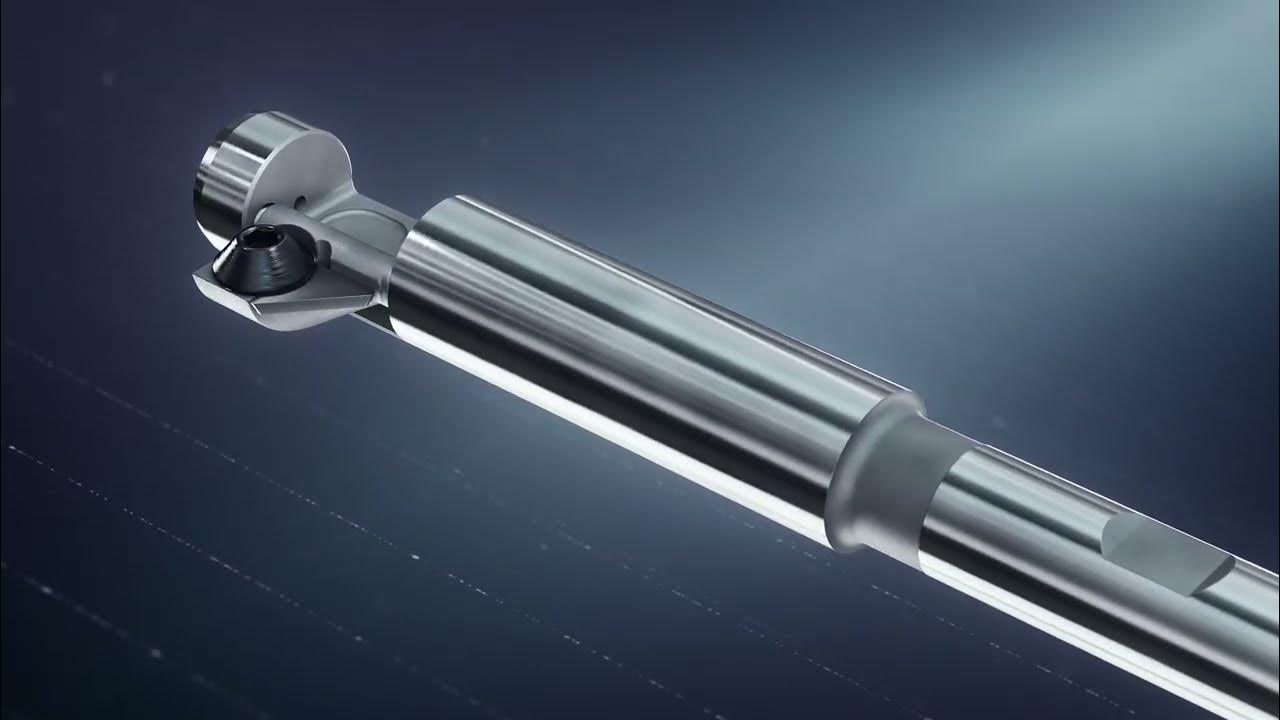
Erix Tool provides precision-engineered counterboring and chamfering tools, ensuring high accuracy and efficiency in machining operations. Their automatic back spotfacing tools are particularly useful for creating recesses in complex or hard-to-reach areas .
Conclusion
Choosing between countersinking and counterboring depends on the fastener type and application. If you need high-quality machining tools for counterboring, chamfering, or back spotfacing, Erix Tool offers industry-leading solutions.