
Chamfering and surfacing are two distinct machining operations, each serving different purposes in the manufacturing of precision parts. At Erix Tool, we specialize in automatic chamfering systems designed to streamline internal and external edge preparation. In contrast, surfacing is a broader machining operation focused on preparing or refining the flatness and finish of a surface. Understanding the difference between these two techniques is critical for selecting the right tooling and processes for your production requirements.
Chamfering: Precise Edge Modification
Chamfering involves cutting a beveled edge on a part, typically where two surfaces meet at a 90° angle. This angled cut is most often done at 30°, 45°, or 60°, though custom angles can be manufactured by Erix Tool for special requirements.
Primary Objectives
- Remove sharp edges for safety and handling
- Ease assembly, especially for inserting fasteners or aligning components
- Prepare edges for welding or bonding
- Reduce stress concentration on corners
Tooling & Equipment
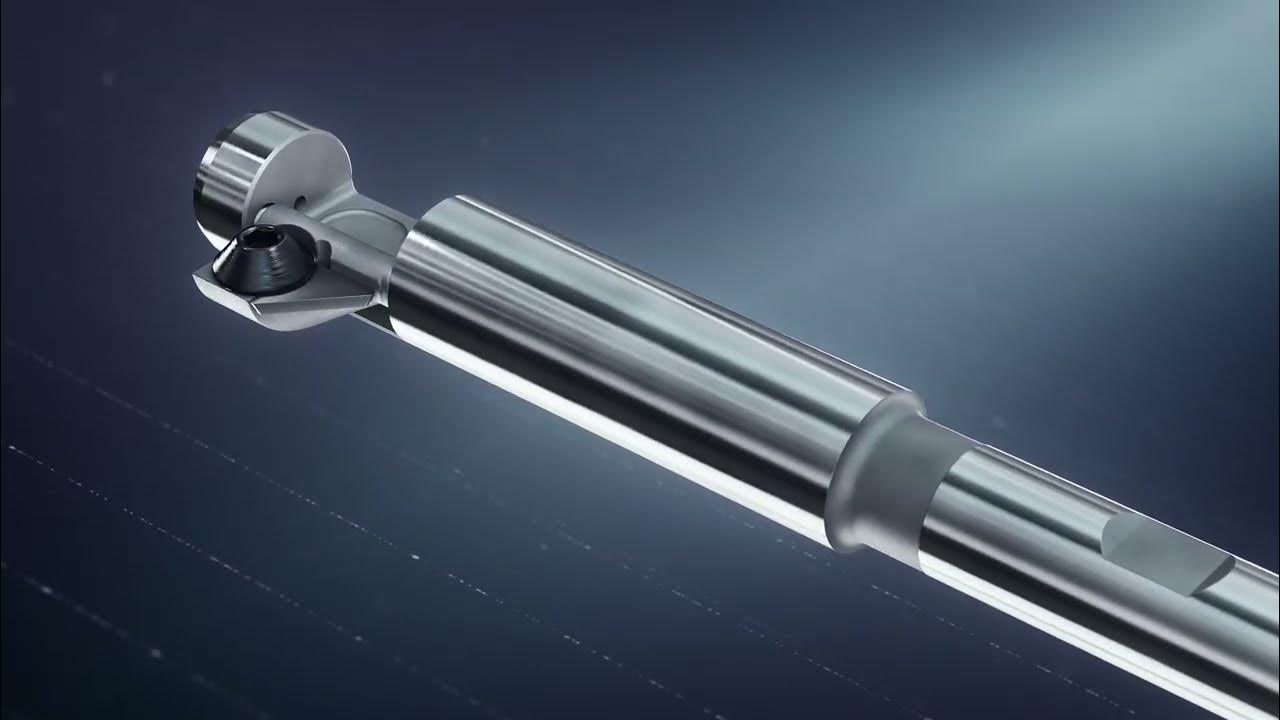
- Erix Tool offers automatic chamfering tools for both back and front operations
- Chamfering tools typically include a winged cutter that swings into place during spindle rotation
- Available for a wide range of hole sizes (.188″ to 2.688″) and compatible with multiple materials
Application Types
- Internal bore chamfering
- External edge preparation
- Aerospace, automotive, and industrial components
Surfacing: Flatness and Finish Control
Surfacing, on the other hand, refers to the process of removing material from a surface to make it flat, smooth, or dimensionally accurate. It does not aim to modify edges but rather the face or top of a workpiece.
Primary Objectives
- Achieve dimensional flatness and thickness tolerance
- Enhance surface finish (roughness, texture)
- Prepare base surfaces for other operations like assembly or coating
Common Surfacing Methods
- Milling (face milling or slab milling)
- Grinding
- Lapping or honing
- Planing
Equipment
- Performed using standard CNC mills, grinders, or lathes
- Does not require specialized edge-cutting tools like chamfering
Chamfering vs. Surfacing: Comparison Table
| Aspect | Chamfering | Surfacing |
| Purpose | Beveling edges at an angle | Flattening or finishing surfaces |
| Surface Affected | Edge junctions | Large flat or contoured surfaces |
| Tooling | Specialized chamfer tools (e.g. Erix Tool) | Milling cutters, grinders, lathes |
| Precision Level | Angle control and edge location | Flatness and surface roughness control |
| Automation | Highly automatable with Erix systems | Typically CNC-based but more generalized |
| Common Angles | 30°, 45°, 60° (standard) | Not angle-based |
| Material Range | All machinable materials | All machinable materials |
Conclusion
Chamfering and surfacing are both essential but serve very different purposes in the machining process. Chamfering is ideal for precise edge finishing, while surfacing is necessary for flatness and overall surface quality.
If your process involves edge preparation, particularly internal chamfers or hard-to-reach areas, Erix Tool’s automatic chamfering solutions offer a highly efficient and consistent approach.